Protecting wildlife, preserving our planet,
ensuring a future for all species.
Protect Wildlife
Together we can safeguard endangered species and their habitats. Join our mission to preserve biodiversity for future generations.
About Us
At Endangered Earth, we are dedicated to raising awareness about the plight of endangered species across the globe. Our mission is to educate, inspire, and encourage action.
Conservation Statistics
Real-time insights into global conservation efforts and the current status of endangered species worldwide.
Discover Endangered Species
Explore the world's most vulnerable creatures and learn about their habitats, conservation efforts, and how you can make a difference in preserving our planet's biodiversity.


Species Directory
Browse our comprehensive database of endangered species from around the world
| Conservation Orgs | |||||
|---|---|---|---|---|---|
|
Dyokappapapillomavirus 1
ID: 47
|
Dyokappapapillomavirus 1 | Papovaviricetes | Extinct | 0 | No organizations |
|
Hemitrichia leiocarpa
ID: 197
|
Hemitrichia leiocarpa (Cooke) Lister, 1894 | Myxomycetes | Extinct | 0 |
Panthera
Orangutan Found...
|
|
Hemitrichia spinifera
ID: 186
|
Hemitrichia spinifera M.L.Farr, 1979 | Myxomycetes | Extinct | 0 |
Panthera
|
|
Hemitrichia succulenticola
ID: 185
|
Hemitrichia succulenticola G.Moreno, A.Castillo, López-Vill. & A.Sánchez, 2017 | Myxomycetes | Extinct | 0 |
World Wildlife...
Pallas's Cat In...
|
|
Hemitrichia thindii
ID: 184
|
Hemitrichia thindii T.N.Lakh. & R.K.Chopra, 2016 | Myxomycetes | Extinct | 0 |
Panthera
Sea Turtle Cons...
|
|
Thermococcus aggregans
ID: 334
|
Thermococcus aggregans Canganella et al., 1998 | Thermococci | Extinct | 0 | No organizations |
|
Thermococcus alcaliphilus
ID: 332
|
Thermococcus alcaliphilus Keller et al., 1997 | Thermococci | Extinct | 0 |
Sea Turtle Cons...
|
|
Trichia subfusca
ID: 129
|
Trichia subfusca Rex, 1890 | Myxomycetes | Extinct | 0 |
International R...
Sea Turtle Cons...
|
|
Gammapapillomavirus 25
ID: 89
|
Gammapapillomavirus 25 | Papovaviricetes | Extinct in the Wild | 3 |
World Wildlife...
Orangutan Found...
|
|
Streptobacillus ratti
ID: 347
|
Streptobacillus ratti Eisenberg et al., 2016 | Fusobacteriia | Extinct in the Wild | 4 |
World Wildlife...
Sea Turtle Cons...
|
|
Dyokappapapillomavirus 1
Dyokappapapillomavirus 1
Papovaviricetes
|
Extinct | 0 |
|
Hemitrichia leiocarpa
Hemitrichia leiocarpa (Cooke) Lister, 1894
Myxomycetes
• 2
orgs
|
Extinct | 0 |
|
Hemitrichia spinifera
Hemitrichia spinifera M.L.Farr, 1979
Myxomycetes
• 1
org
|
Extinct | 0 |
|
Hemitrichia succulenticola
Hemitrichia succulenticola G.Moreno, A.Castillo, López-Vill. & A.Sánchez, 2017
Myxomycetes
• 2
orgs
|
Extinct | 0 |
|
Hemitrichia thindii
Hemitrichia thindii T.N.Lakh. & R.K.Chopra, 2016
Myxomycetes
• 2
orgs
|
Extinct | 0 |
|
Thermococcus aggregans
Thermococcus aggregans Canganella et al., 1998
Thermococci
|
Extinct | 0 |
|
Thermococcus alcaliphilus
Thermococcus alcaliphilus Keller et al., 1997
Thermococci
• 1
org
|
Extinct | 0 |
|
Trichia subfusca
Trichia subfusca Rex, 1890
Myxomycetes
• 2
orgs
|
Extinct | 0 |
|
Gammapapillomavirus 25
Gammapapillomavirus 25
Papovaviricetes
• 2
orgs
|
Extinct in the Wild | 3 |
|
Streptobacillus ratti
Streptobacillus ratti Eisenberg et al., 2016
Fusobacteriia
• 2
orgs
|
Extinct in the Wild | 4 |
Dyokappapapillomavirus 1
Dyokappapapillomavirus 1
Hemitrichia leiocarpa
Hemitrichia leiocarpa (Cooke) Lister, 1894
Hemitrichia spinifera
Hemitrichia spinifera M.L.Farr, 1979
Hemitrichia succulenticola
Hemitrichia succulenticola G.Moreno, A.Castillo, López-Vill. & A.Sánchez, 2017
Hemitrichia thindii
Hemitrichia thindii T.N.Lakh. & R.K.Chopra, 2016
Thermococcus aggregans
Thermococcus aggregans Canganella et al., 1998
Thermococcus alcaliphilus
Thermococcus alcaliphilus Keller et al., 1997
Trichia subfusca
Trichia subfusca Rex, 1890
Gammapapillomavirus 25
Gammapapillomavirus 25
Streptobacillus ratti
Streptobacillus ratti Eisenberg et al., 2016
Showing 1 to 10 of 349 results
Frequently Asked Questions
Get answers to common questions about endangered species conservation
An endangered species is a plant or animal that is at risk of becoming extinct in the near future. This can happen for a variety of reasons, including habitat destruction, climate change, poaching, and the introduction of invasive species. When a species is classified as endangered, it means that its population has declined to a level where it struggles to survive in the wild. This can lead to a loss of biodiversity, affecting the ecosystems that rely on that species. Protecting endangered species is crucial, as their extinction can cause irreversible damage to natural habitats and ecosystems that support a variety of other life forms.
Species become endangered due to a variety of human-induced and natural factors. Habitat destruction is one of the leading causes, as deforestation, urbanization, and pollution destroy the natural environments where species thrive. Climate change also plays a significant role, altering ecosystems and making it harder for species to adapt or find food and shelter. Poaching and illegal wildlife trade contribute to the decline of certain species, especially those that are targeted for their body parts, such as ivory or fur. Additionally, invasive species often outcompete native species for resources, further threatening their survival. In sum, the combination of these factors creates an environment where many species face the risk of extinction.
There are many ways individuals can contribute to the protection of endangered species. One of the most effective actions is to support conservation organizations that work to preserve habitats and combat poaching. You can also reduce your carbon footprint to help mitigate climate change, which is a major threat to many species. Educating others about the importance of wildlife conservation and supporting sustainable practices, such as responsible tourism and ethical consumption, can also make a difference. Volunteering with wildlife protection groups or donating to conservation causes can help fund research and protection efforts. Lastly, advocating for stronger wildlife protection laws and policies at local, national, and international levels is crucial in creating lasting change.
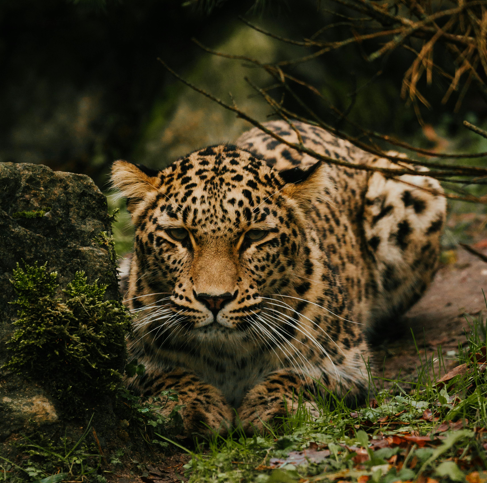
There are many species around the world that are critically endangered. The Amur leopard, native to Russia and China, is one of the rarest big cats, with fewer than 100 individuals remaining in the wild. The Javan rhinoceros, found only in Indonesia, has a population of just around 70 individuals, making it one of the most endangered large mammals. The Vaquita, a small porpoise species found in the Gulf of California, is on the brink of extinction, with fewer than 10 individuals left due to bycatch in illegal fishing nets. Other notable examples include the orangutan, whose populations in Southeast Asia have been decimated due to deforestation and illegal hunting. These species, along with many others, need urgent conservation efforts to prevent their extinction and preserve biodiversity.